
Understanding the Heart of Your Handpiece: The Spindle
In the world of high-speed dental handpieces, the spindle (or chuck) is the critical component responsible for holding the bur. Currently, there are two dominant technologies in the market:
- 1. Spring Type (2~3 Clamping Pads): Commonly found in NSK and Star handpieces.
- 2. Carbide Type (Guide Bushing): Commonly found in KaVo and W&H handpieces.
Many dentists judge a handpiece solely by testing its grip with their fingers (static force), but this misses the bigger picture. Let's look at the engineering reality.
1. Spring Type: Ideally Designed for Safety
This design is the standard for NSK-style spindles.
 Fig 1. Cross-section of a Spring Type mechanism (Dynamic Retention)
🤔 The Misconception:
When testing a new Spring-type spindle, users often find the Initial Gripping Force to be lower (approx. 2.2 – 2.4 kgf). Some mistakenly believe this means the bur is loose.
💡 The Reality (Dynamic Retention):
As the handpiece rotates at high speeds and contacts the tooth, the internal structure reacts to the cutting load, actually increasing the gripping force to 3 – 4 kgf.
Conclusion: The harder you drill, the tighter it holds.
2. Carbide Type: Powerful but Sensitive
This design is often seen in European brands like KaVo.
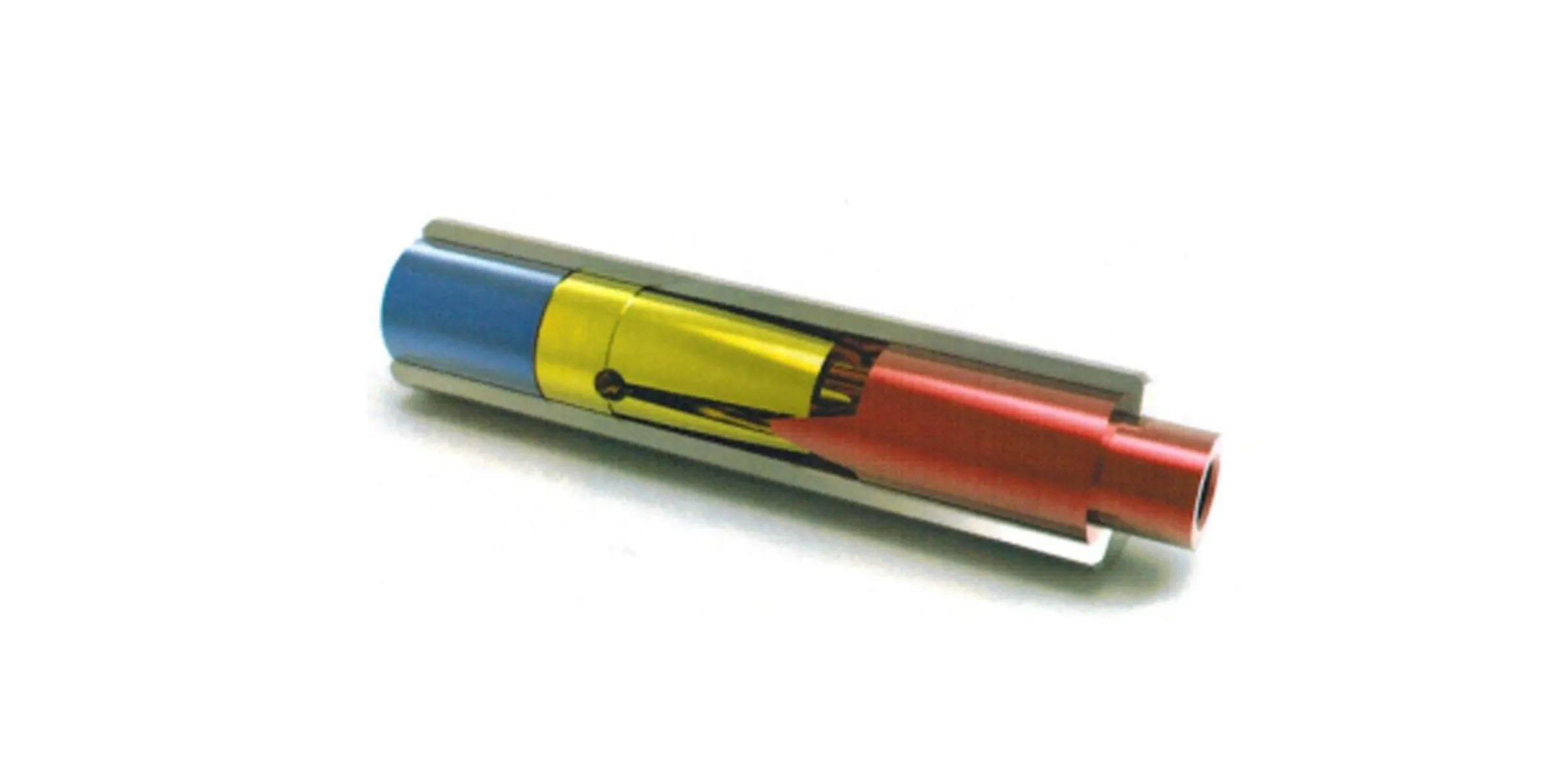 Fig 2. Structure of a Carbide Type mechanism
💪 The Advantage:
It offers a very high Initial Gripping Force (3 – 4 kgf), giving a solid "static feel".
⚠️ The Risk & Failure Mode:
Carbide structures are extremely sensitive to bur shank tolerance. If a bur is slightly worn, the retention force can drop to zero instantly due to heat, leading to dangerous "flying bur" incidents.
Note: Manufacturers often mandate the use of a Bur Gauge for this type.
Comparison: Spring vs. Carbide
| Feature | Spring Type (NSK Style) | Carbide Type (KaVo Style) |
|---|---|---|
| Static Grip (Initial) | Lower (2.2 kgf) | Higher (3.0 kgf+) |
| Dynamic Grip (During Work) | Increases (Secure) | Varies (Risk of heat drop) |
| Bur Tolerance Sensitivity | Low (Forgiving) | High (Strict) |
| Bur Gauge Required? | No | Yes (Highly Recommended) |
| Durability | Excellent | Good (but sensitive to debris) |
Our Professional Recommendation
While both systems have their merits, the Spring Type offers a more forgiving and reliable safety margin for daily practice without the constant need for a bur gauge.
At MP-DENT, we ensure that all our handpiece components undergo rigorous testing for concentricity and retention force.
Back to Support Center